What Are the Stages of Pterygium and How Is It Treated?
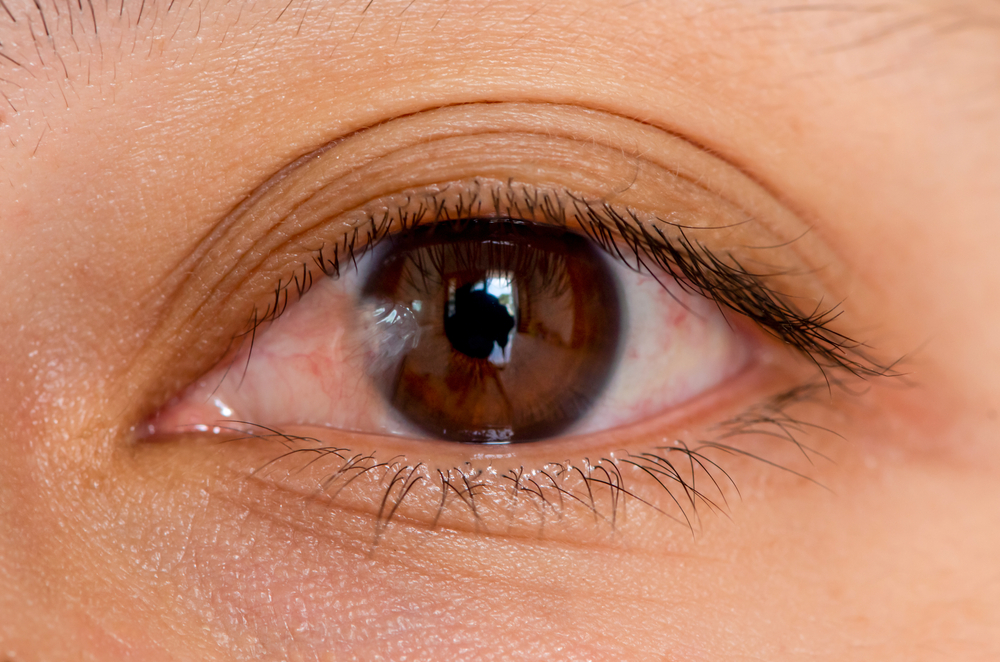
Pterygium - often referred to as “surfer’s eye” - is a common but progressive eye condition that develops on the surface of the eye. While it may begin as a mild irritation, pterygium can worsen over time and potentially affect vision if left untreated. Understanding its stages, causes, symptoms, and treatment options can help patients take action early and protect their long-term eye health.
What Is Pterygium?
Pterygium is a benign growth of tissue that forms on the conjunctiva, the clear membrane covering the white part of the eye. It typically grows from the inner corner of the eye toward the cornea and can vary in size and severity.
Causes of Pterygium
Many people are diligent about protecting their skin from sun damage but overlook the importance of shielding their eyes. Prolonged exposure to ultraviolet (UV) light is the primary cause of pterygium, especially for individuals who spend significant time outdoors. Activities involving bright sunlight, water, or snow increase risk because UV rays reflect off these surfaces, intensifying exposure and irritating the eye’s surface over time.
Pterygium is more commonly seen in people who work or participate in recreational activities outdoors, but additional risk factors can also contribute to its development. These include being male, being between the ages of 20 and 50, having lighter skin or eye color, and working in environments with chronic eye irritants such as wind, dust, chemicals, or air pollution. Consistent eye protection, including UV-blocking sunglasses, plays an important role in reducing these risks.
Common Symptoms of Pterygium
Symptoms can range from mild to severe depending on the stage of the condition. Common signs include:
Redness or inflammation of the eye
A visible growth on the white of the eye
Dryness, burning, or a gritty sensation
Itching or discomfort
Blurred vision or visual distortion in advanced cases
Because symptoms may start subtly, many patients delay care until the condition becomes more noticeable or uncomfortable.
The Stages of Pterygium
Pterygium typically progresses through several stages:
Early Stage
The growth is small and limited to the conjunctiva. Symptoms may include mild redness, dryness, or irritation, often mistaken for seasonal allergies or dry eye.
Moderate Stage
The tissue begins to grow closer to the cornea. Inflammation becomes more noticeable, and discomfort may increase. Vision is usually unaffected at this stage, but irritation can become persistent.
Advanced Stage
The pterygium extends onto the cornea and may interfere with vision by altering the shape of the eye or obstructing the visual axis. At this point, surgical intervention may be necessary to prevent permanent vision changes.
How Is Pterygium Treated?
Treatment depends on the severity of the condition and the patient’s symptoms.
Non-Surgical Treatment
For early or mild cases, treatment may include:
Lubricating eye drops to relieve dryness and irritation
Anti-inflammatory medications to reduce redness and swelling
Lifestyle changes, such as wearing UV-protective sunglasses
Surgical Treatment
When pterygium threatens vision, causes significant discomfort, or continues to grow despite conservative treatment, surgical removal may be recommended. Advanced surgical techniques used by specialists can reduce the risk of recurrence and improve both comfort and visual outcomes.
The Importance of Eye Exams and Early Care
Regular eye exams play a critical role in detecting pterygium early - often before symptoms become severe. Early diagnosis allows for close monitoring, symptom management, and timely treatment that may prevent progression and reduce the need for surgery.
Ignoring persistent redness, irritation, or visible changes on the eye can allow pterygium to worsen over time. What begins as a cosmetic or minor issue can eventually affect vision if left unaddressed.
Protect Your Vision Before Symptoms Progress
Pterygium is a progressive eye condition that should never be ignored. Understanding its stages, recognizing early symptoms, and seeking prompt professional care can help preserve eye comfort and vision. With proper monitoring and treatment, patients can manage pterygium effectively and avoid long-term complications.
If you are experiencing eye redness, irritation, or notice a growth on your eye, schedule a comprehensive eye exam at Maple Eye and Laser Center. Visit our office White Plains or Manhattan, New York, or call (914) 948-5157 to book an appointment today.